It’s not your infrastructure users remember, it’s how the video feels.
Author: Sourav Basu
Date: 16 March 2026
When people discuss OTT performance, the spotlight usually lands on infrastructure CDNs, cloud scaling, encoding pipelines, and bandwidth strategies. All critical, no doubt.
But here’s the uncomfortable truth: viewers don’t care about your backend brilliance. They care about one thing. Whether the video started instantly and played smoothly, and if it felt effortless?
And all of that is controlled by one layer most platforms underestimate: the video player.
Where Technology Meets Human Perception
A video player is often mistaken for a simple interface with a play button. In reality, it’s the decision-making brain of your entire streaming experience.
The moment a user taps play, a chain of intelligent processes kicks in:
It interprets streaming formats like HLS or DASH
Selects the optimal bitrate based on real-time conditions
Continuously adapts quality as the network fluctuates
Manages buffering strategy to prevent interruptions
Handles DRM securely without disrupting playback
Adjusts rendering based on device limitations
All of this happens in milliseconds, quietly translating backend complexity into a seamless human experience.
One Stream, Infinite Environments
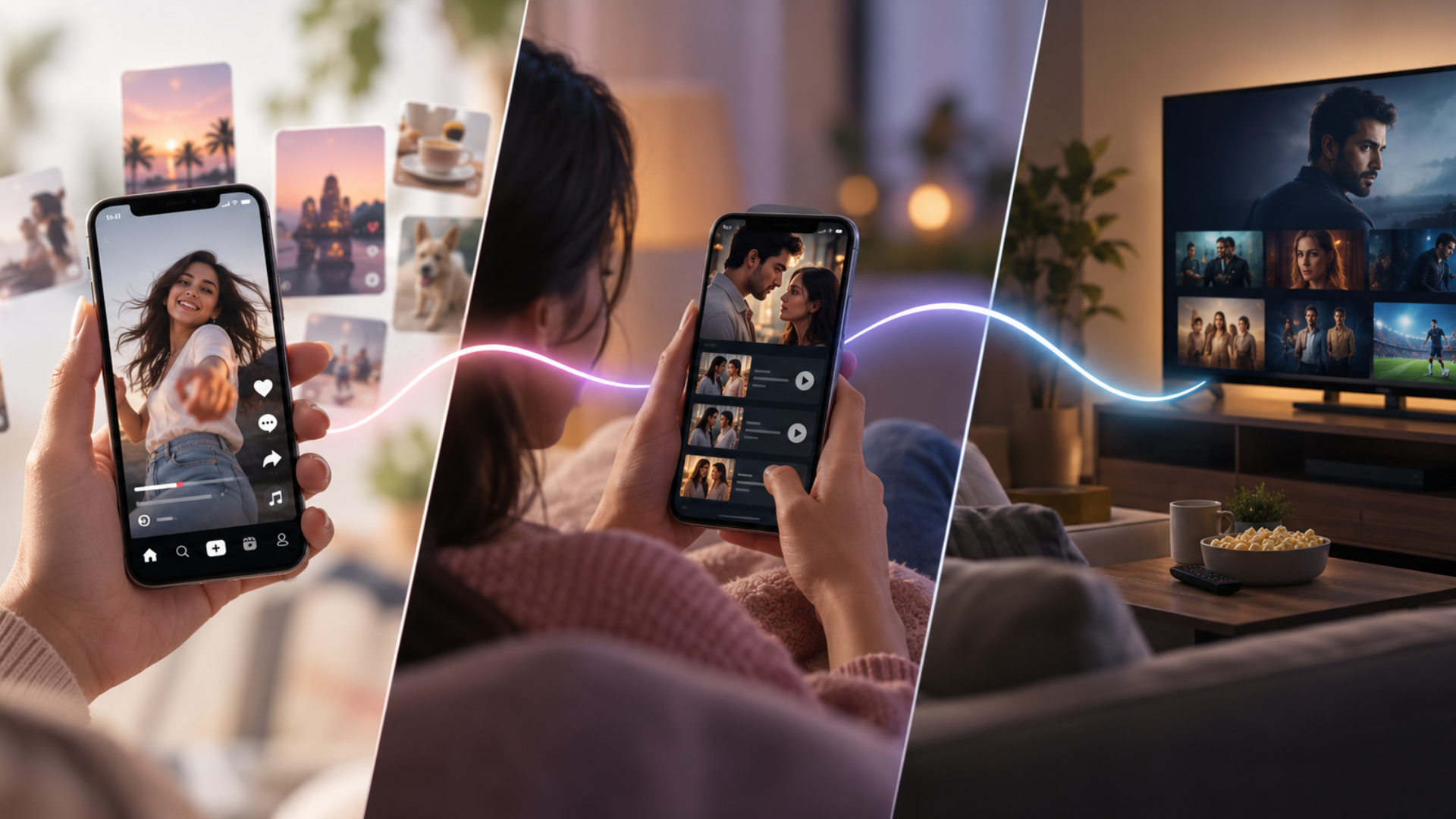
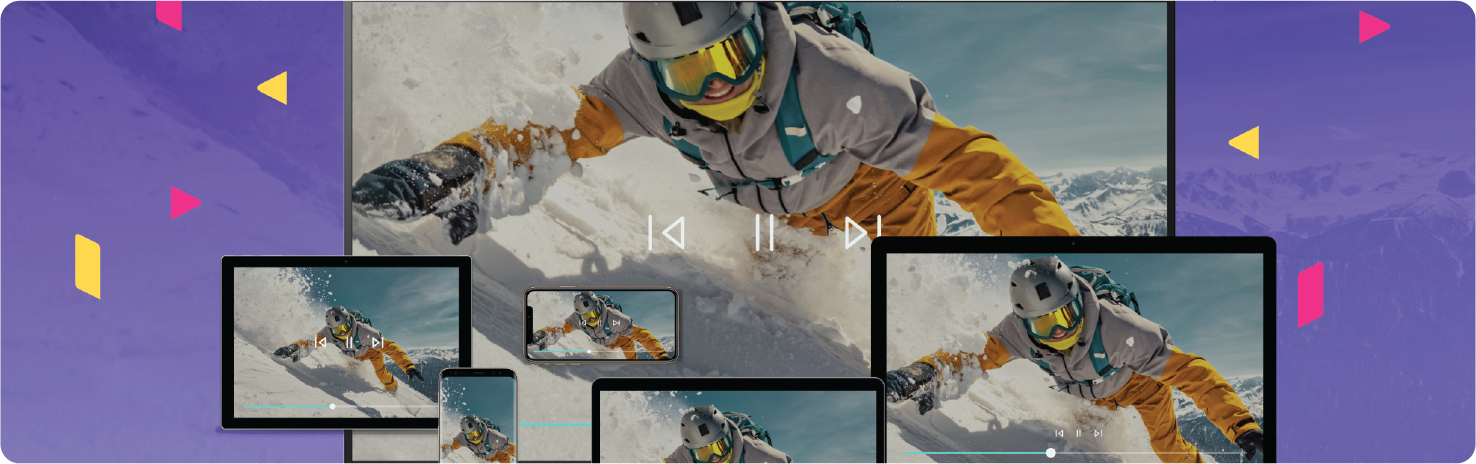
OTT today isn’t tied to a single screen. It exists everywhere.
A single piece of content might be consumed on:
Low-end Android devices with unstable connectivity
Premium smartphones on 5G
Browsers with varying media capabilities
Smart TVs with limited memory and processing power
Each environment behaves differently.
A player optimized for mobile may fail on a TV.
A browser-based experience may break across engines.
TV navigation introduces constraints that touch interfaces never face.
This is why modern playback systems must be:
Device-aware
OS-sensitive
Performance-adaptive
All while delivering a consistent, predictable experience.
Not All Players Are Created Equal
Many platforms rely on native players like those on Android or iOS. They’re reliable but often fragmented across ecosystems. Web-based players offer flexibility but depend heavily on browser compatibility and DRM limitations.
Then there are unified or custom-built players engineered to align with:
Content types (VOD, live, short-form)
Monetization strategies (ads, subscriptions)
Scale expectations (thousands vs millions of users)
As platforms evolve into live sports, interactivity, and AI-driven experiences, generic players start to fall short.
The Hidden Challenge of Integration
Most OTT teams hit complexity while building a player and integrating.
Consider what needs to align:
DRM systems with licensing and compliance requirements
Encoding ladders with playback logic
CDN delivery with adaptive bitrate behavior
Device certifications (especially for Smart TVs)
Analytics instrumentation without performance overhead
Even small mismatches can lead to:
Erratic quality switching
Increased buffering
Playback failures across devices
In many cases, player integration, not backend readiness, becomes the real bottleneck to launch.
The Ultimate Stress Test in Live Sports
If on-demand content tests stability, live sports tests everything. Massive concurrent traffic during major events exposes even minor inefficiencies.
At scale:
Milliseconds matter
Buffering becomes unacceptable
Consistency across millions of users is critical
And sports viewers demand more:
Multi-camera angles
Alternate commentary feeds
Real-time stats and overlays
Interactive data layers
This transforms the player from a passive viewer into an active engagement layer. Because during a live match, even a brief interruption isn’t just technical, it’s emotional.
The Shift Toward Interactive Playback
The role of the video player is expanding. It’s no longer just about playing content; it’s about enhancing it.
Modern playback environments now support:
AI-driven highlights and recommendations
Real-time overlays and contextual data
Interactive navigation within content
New formats like vertical, swipe-based storytelling
Short-form and micro-content formats are pushing this evolution even further, demanding entirely new interaction models. The future player is not only responsive, but it’s intelligent and participatory.
Why Testing Can’t Be an Afterthought
Playback quality can’t be validated in ideal conditions alone.
Real-world environments are messy:
Network drops
Device fragmentation
DRM inconsistencies
Live-to-VOD transitions
This is why automated testing at scale is essential. Simulating edge cases before release ensures the player doesn’t just perform well in demos but survives in reality.
The Data Goldmine Inside Every Playback
Every stream tells a story.
Behind each session lies valuable data:
Startup time
Buffer frequency
Bitrate shifts
Device-specific failures
This telemetry feeds into:
Encoding optimization
CDN strategies
Ad delivery improvements
UX enhancements
In many ways, the player is not just delivering experience; it’s measuring and improving it in real time.
The Reality Platforms Must Accept
Users never see your infrastructure; they experience:
How fast content loads
Whether playback is smooth
How responsive controls feel
Whether quality stays consistent
That experience determines trust, and trust determines retention.
Experience Is the Product
In OTT, content might attract users, but experience keeps them. And that experience is shaped entirely by the playback layer. The platforms that win aren’t just those with the best content libraries or the most scalable infrastructure. They’re the ones that understand this simple truth:
Streaming isn’t just about delivering video but delivering a feeling, and that feeling lives inside the player. At Logituit, we are integrating players that help businesses scale with an efficient and uninterrupted viewing experience.
To learn more, write to us at: marketing@logituit.com.
To provide the best experiences, logituit.com use technologies like cookies to store and/or access device information. Consenting to these technologies will allow us to process data such as browsing behaviour or unique IDs on this site. Not consenting or withdrawing consent, may adversely affect certain features and functions.