Beyond the Sales Funnel: Why OTT Platforms Must Reclaim the Viewing Experience
Viewer experience through simplicity, clarity, and trust in a cluttered OTT landscape.
Author: Syed Shahid Mehdi
Date: 30 June 2025
As OTT platforms chase aggressive monetization, many are losing sight of what viewers truly want, such as effortless and enjoyable streaming.
This blog explores why a clean UI, transparent design, and viewer-first strategy are essential for long-term retention and trust.
The Streaming Dilemma: When Entertainment Feels Like a Sales Pitch
Imagine sitting down after a long day, popcorn in hand, ready to dive into a good movie. You open your favorite OTT platform, and suddenly, you’re hit with a wall of ads, upsells, rent buttons, and irrelevant suggestions. By the time you find something worth watching, the excitement has faded.
This is becoming a daily reality for many viewers, especially as major OTT platforms chase aggressive monetization. But what’s often overlooked in this race to “convert” is this: too much funneling can break the very experience that brings users in.
The Hidden Cost of Over-Monetization
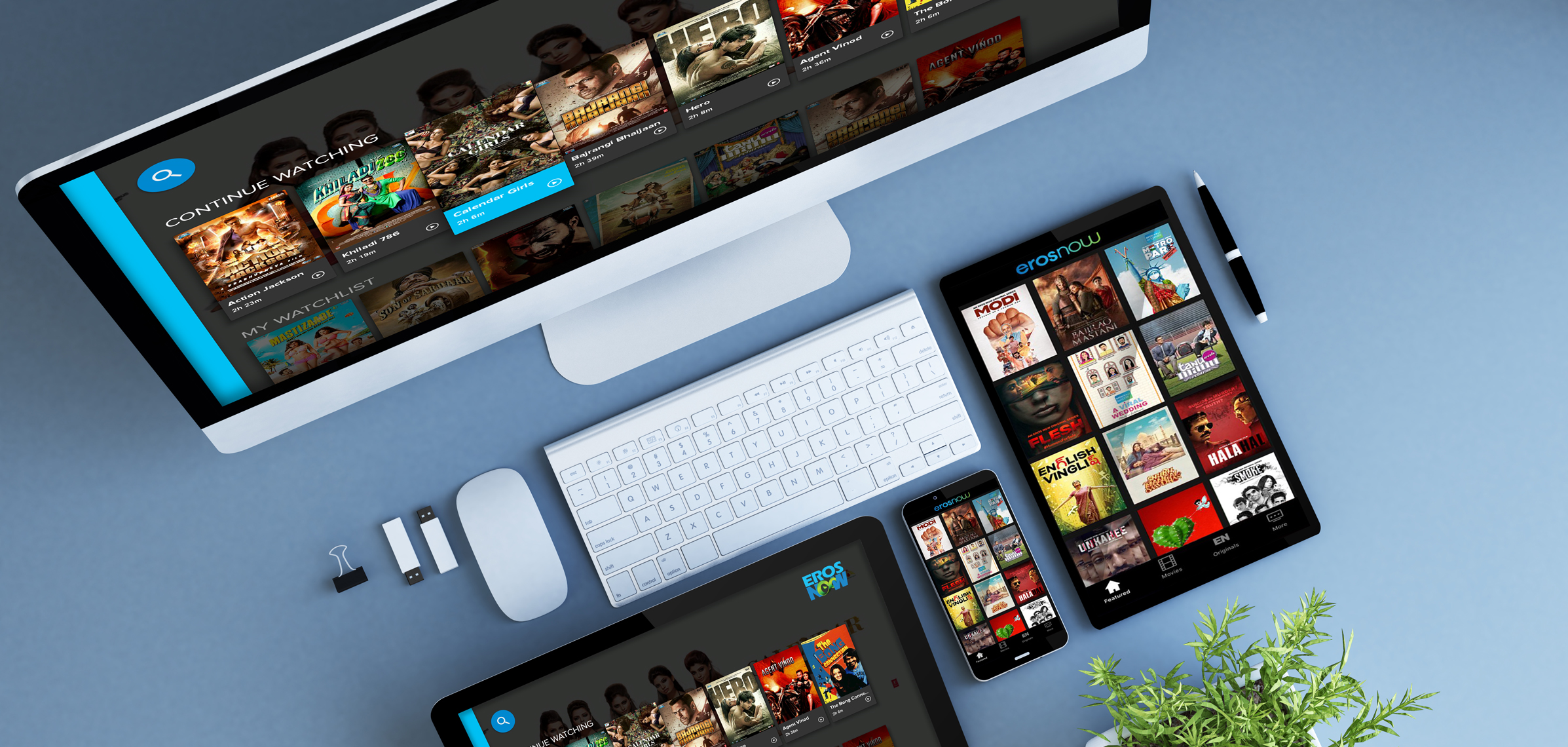
Modern OTT platforms are no longer just content libraries; they’ve become complex ecosystems of upsells, subscriptions, rentals, and cross-promotions. While this opens new revenue streams, it comes at a cost:
Viewer fatigue
When users are forced to navigate paywalls, layers of subscriptions, and ad-heavy layouts, the joy of watching disappears.
Trust erosion
Sneaky placements like mixing free and paid content in the same row or pushing paid content over already-paid-for subscriptions, make viewers feel tricked.
Decision overload
An overly “salesy” interface on OTT platforms can cause paralysis. The average user spends more time choosing what to watch than watching it.
We’re reaching a tipping point where the platform’s agenda overshadows the user’s intention.
Clean UI: The Unsung Hero of Viewer Retention
A clean, intuitive UI isn’t just aesthetic; it’s strategic.
It respects the user’s time: A streamlined interface gets viewers to content faster, reducing friction and abandonment.
It builds loyalty: Platforms that feel trustworthy and easy to use encourage users to return and even recommend them to others.
It reduces churn: When users feel in control, they’re less likely to leave out of frustration.
Take Apple TV or even niche players like Mubi. Their minimalistic, content-first layouts create a sense of calm and clarity. That’s not just design; it’s a retention strategy.
Designing for Humans, Not Funnels
To stand out in today’s OTT landscape, platforms need to refocus from how we sell more to how we serve better. Here’s how:
1. Prioritize Content Discovery, Not Product Placement
Don’t bury great content under paywalled promos or brand placements. Organize the same by user preferences, watch history, and smart editorial curation, not just what brings the most revenue.
2. Separate Paid vs Free Clearly
Transparency builds trust. If something is paid or rental-only, label it clearly and don’t mix it with subscription-based content unless filtered intentionally.
3. Ad Experiences Should Be Non-Intrusive
Yes, ads generate revenue, but relevance and timing matter. Avoid the trap of excessive frequency or autoplay trailers that take over the screen. Offer users control, like ad skips or “watch ad to unlock” models.
4. Make Navigation Frictionless
Eliminate dead ends, reduce clicks, and use intuitive categories. Avoid confusing users with multiple layers of menus or upsells. Simple filters, search that actually works, and personalized rails go a long way.
5. Give Viewers the Power to Customize
Let users create watchlists, hide content types they don’t want, and opt out of certain upsell notifications. Personal control = personal connection.
A New Era of Viewer-First Strategy
OTT platforms once disrupted the entertainment industry by putting users first. Ironically, many are now repeating the same mistakes that made cable TV frustrating: too many promos, confusing packages, and content locked behind paywalls.
To truly lead the OTT space, platforms must go back to what made them loved. Simplicity, accessibility, and respect for the viewer’s time.
A clean UI isn’t a luxury; it’s table stakes. A viewer-centric strategy isn’t a soft metric; it’s your moat in an overcrowded market.
Conclusion: The Best Strategy? Don’t Feel Like a Strategy
If your user feels they’re constantly being sold to, you’re doing it wrong.
The most successful OTT platforms will be the ones that make monetization invisible, UI effortless, and content king again. Because in the end, people come to watch stories, not navigate sales funnels.
Want to build an OTT platform that viewers actually love? Let’s talk about how Logituit’s smart design and user-first tech stack can help. Book a demo today and let’s clean up the clutter together. Write to us at:
To provide the best experiences, logituit.com use technologies like cookies to store and/or access device information. Consenting to these technologies will allow us to process data such as browsing behaviour or unique IDs on this site. Not consenting or withdrawing consent, may adversely affect certain features and functions.